The reason Suvantez exists is simple: there's a gap between how much food entrepreneurs work and how much they know about what they earn.
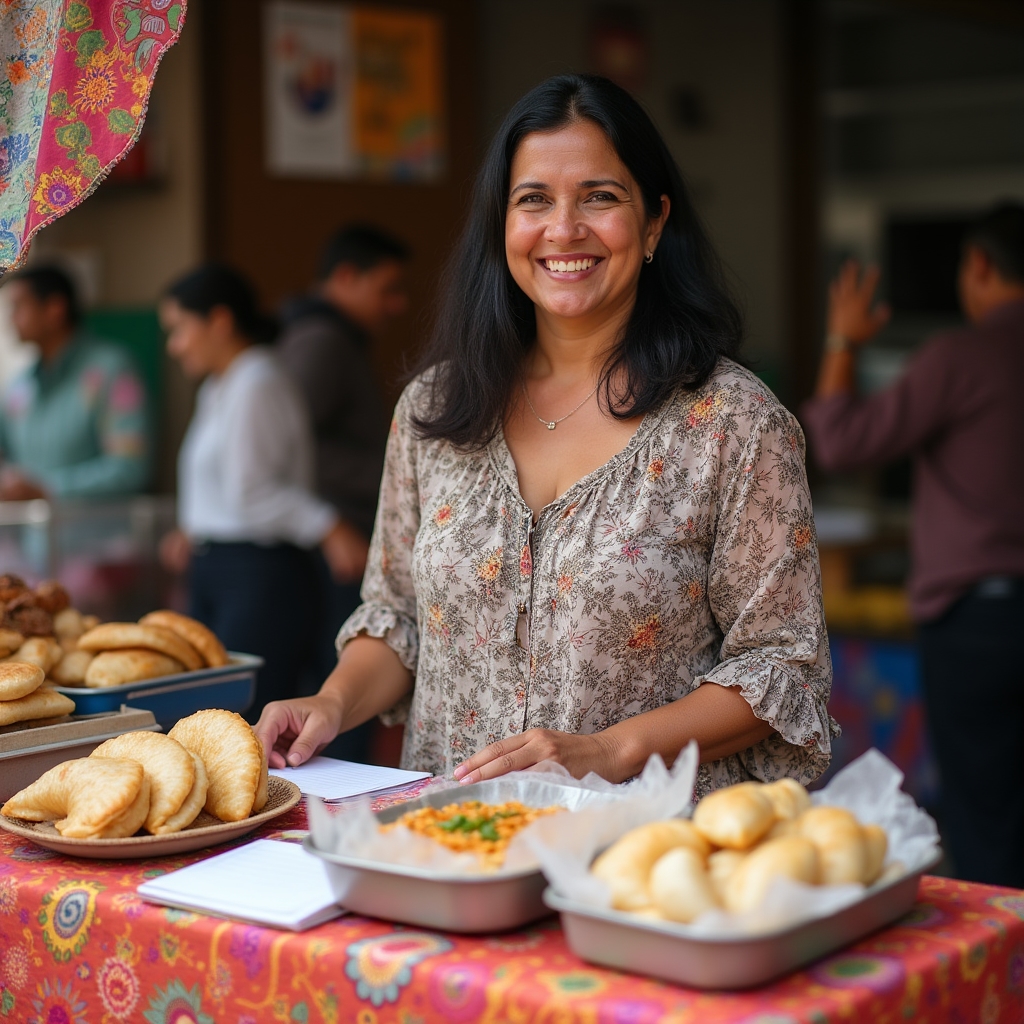
Across Paraguay, thousands of women run food businesses from their homes. They make chipá, empanadas, sopa paraguaya, tortas, and more — by order, by dozen, by kilo. They wake up early, they manage supplies, they deliver, they collect. Their businesses are real.
But the numbers? Those live in memory. Or in a notebook that got abandoned by the third day because there was no clear system, no format that made sense for the way the business actually works.
The result: a hardworking entrepreneur who can't answer the simplest question — did I earn money this week, or did I just stay busy?
"The gap isn't about ability. It's about having a format that fits the actual business — not a spreadsheet designed for a different kind of work."
Accounting software is built for businesses with accountants. Financial literacy courses are built for people with bank accounts and formal income. Neither speaks to a woman who sells chipá by WhatsApp and collects payment at the door.
What was missing wasn't more information. It was a practical, hands-on space where someone could build a system that matched their reality — not a theoretical one.
After the program, the question changes from "I think I earned something this week" to "I know exactly what I earned, what I spent, and what I'm still waiting to collect." That shift — from guessing to knowing — is what Suvantez is for.
We're not promising transformation. We're offering a practical tool, built by you, for your specific business.
The food entrepreneurs we work with are not beginners. They know their product, their customers, and their market. What they often lack is a simple, reliable way to record what's happening financially — not because they can't, but because no one built the right tool for their situation.
Suvantez builds that tool with them, in three afternoons, adapted to each person's business.