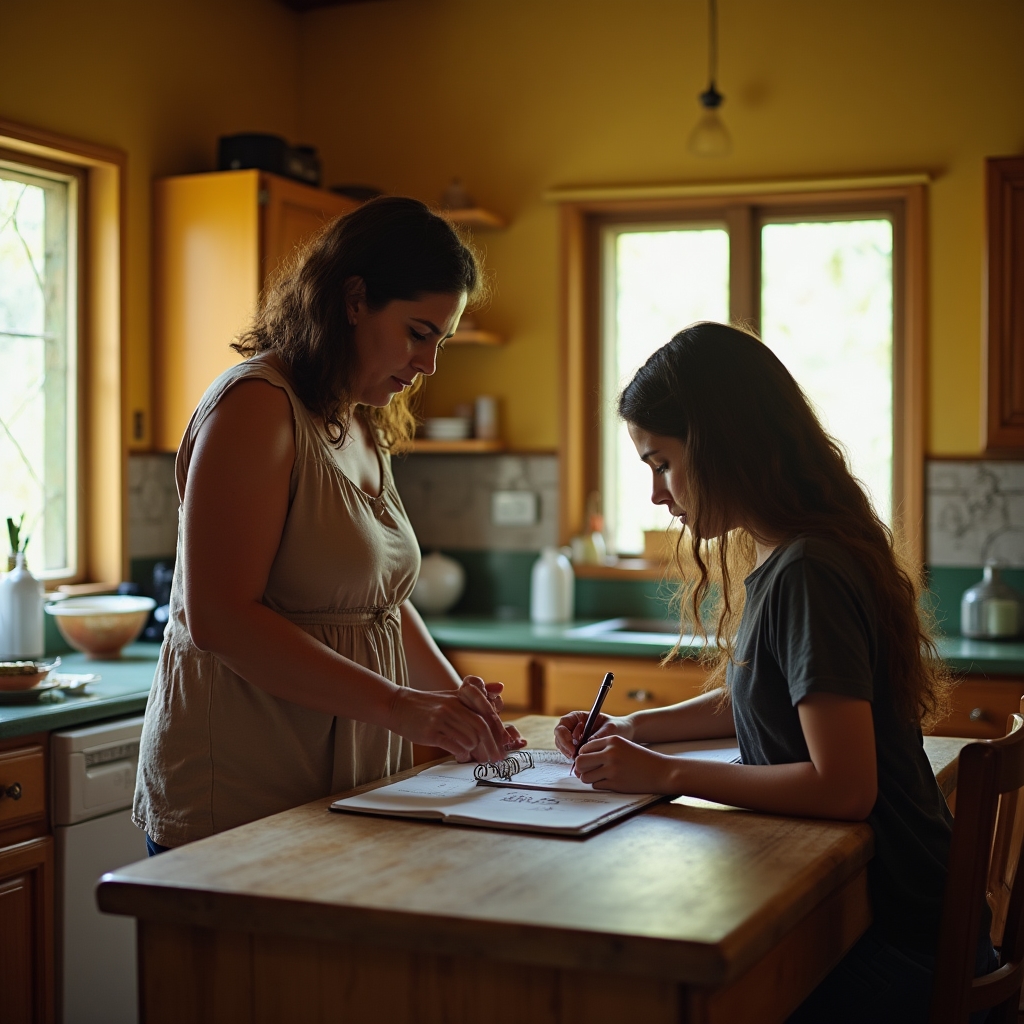
A food business that's financially visible is a more stable foundation for everyone who depends on it.
In many Paraguayan households, the food business is woven into daily family life. The kitchen is shared. The supplies come from the household budget. The income flows back into it. Children help with deliveries. Partners help with orders.
When the business has no clear financial record, that uncertainty touches everyone. When it does — when there's a simple, honest picture of what comes in and goes out — the whole household can plan more clearly.
Suvantez is for the entrepreneur. But the clarity she gains from it extends outward.
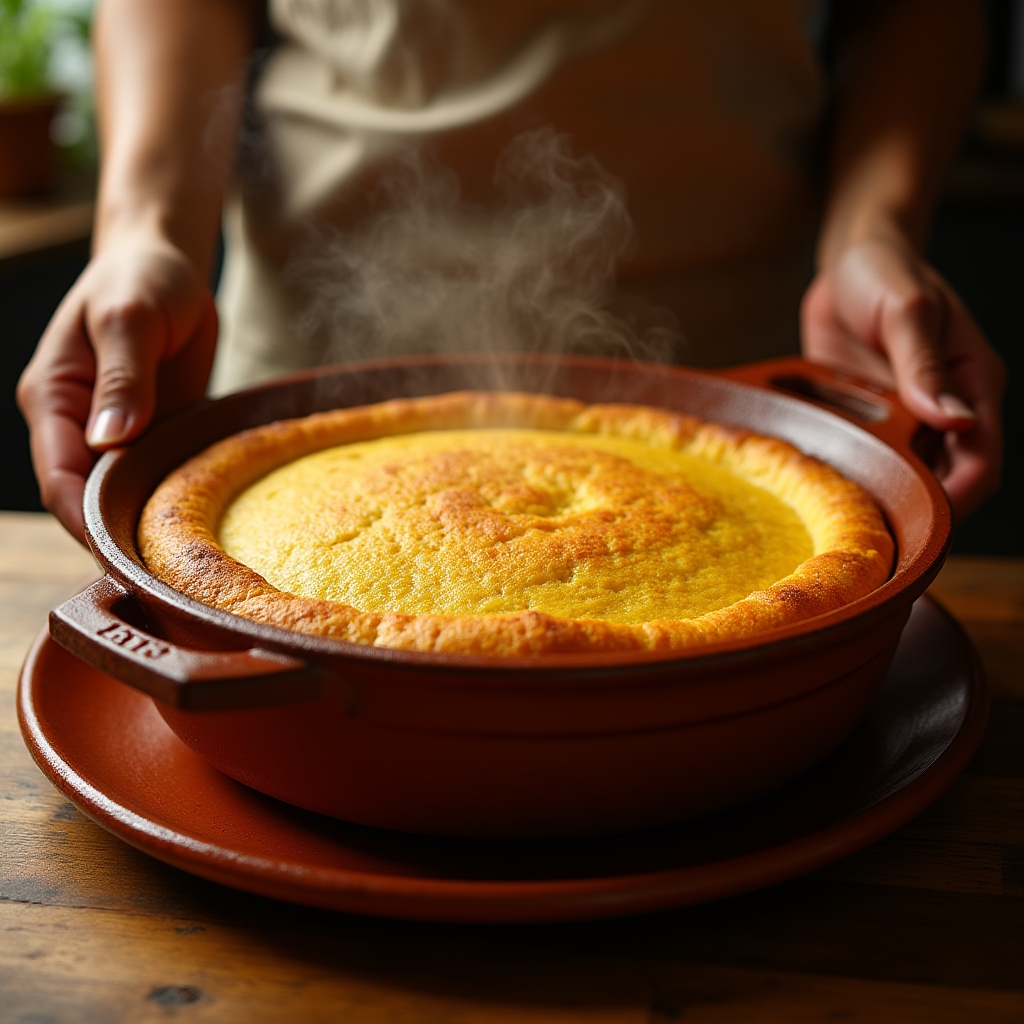
The program is designed for food entrepreneurs in Paraguay. Here's who typically participates.
She started selling chipá to neighbors, then to coworkers, then by order. Now she's running a real operation — but her finances are still in her head. This program gives her a format that matches what she's already doing.
Orders come in by message, payment comes in cash or transfer, delivery happens at the door. It works — but there's no record of what was ordered, delivered, or still owed. This program creates that record, simply.
She sells at feria or local markets on weekends, makes good money on a good day, but can't say with certainty whether the business is growing. A weekly record changes that.
Tortas, empanadas, sopa paraguaya for events and celebrations — priced by order, with variable ingredients and prep time. Knowing the real cost of each order is essential. This program teaches exactly that.
She's in the early weeks of selling. Building good habits now — before the business gets complicated — is the most efficient path. Starting with a simple system is far easier than retrofitting one later.
She started a notebook. She downloaded an app. Neither stuck. This program doesn't just hand her another tool — it helps her build one that fits how she actually works, so it stays.
When you know what a batch of chipá actually costs to make, you can price it correctly. When you know what you earned last week, you can decide whether to take on more orders or hold steady. When you know what's owed, you can follow up without awkwardness.
None of this requires an accounting background. It requires a simple, consistent record — which is exactly what the program helps you build.
See the Three AfternoonsShare this page with a friend, sister, or neighbor who runs a food business and keeps her accounts in her head.
Contact Us